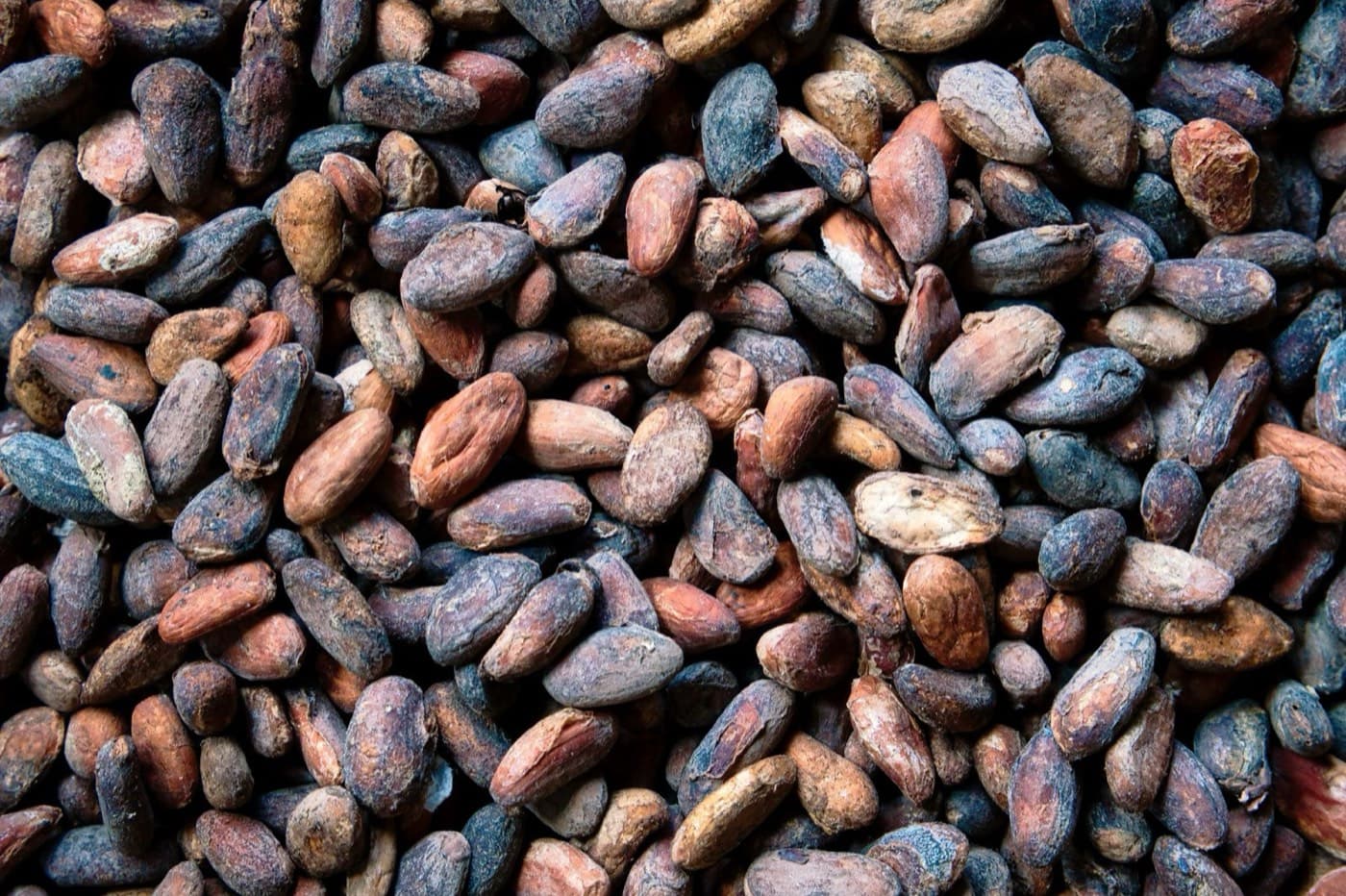
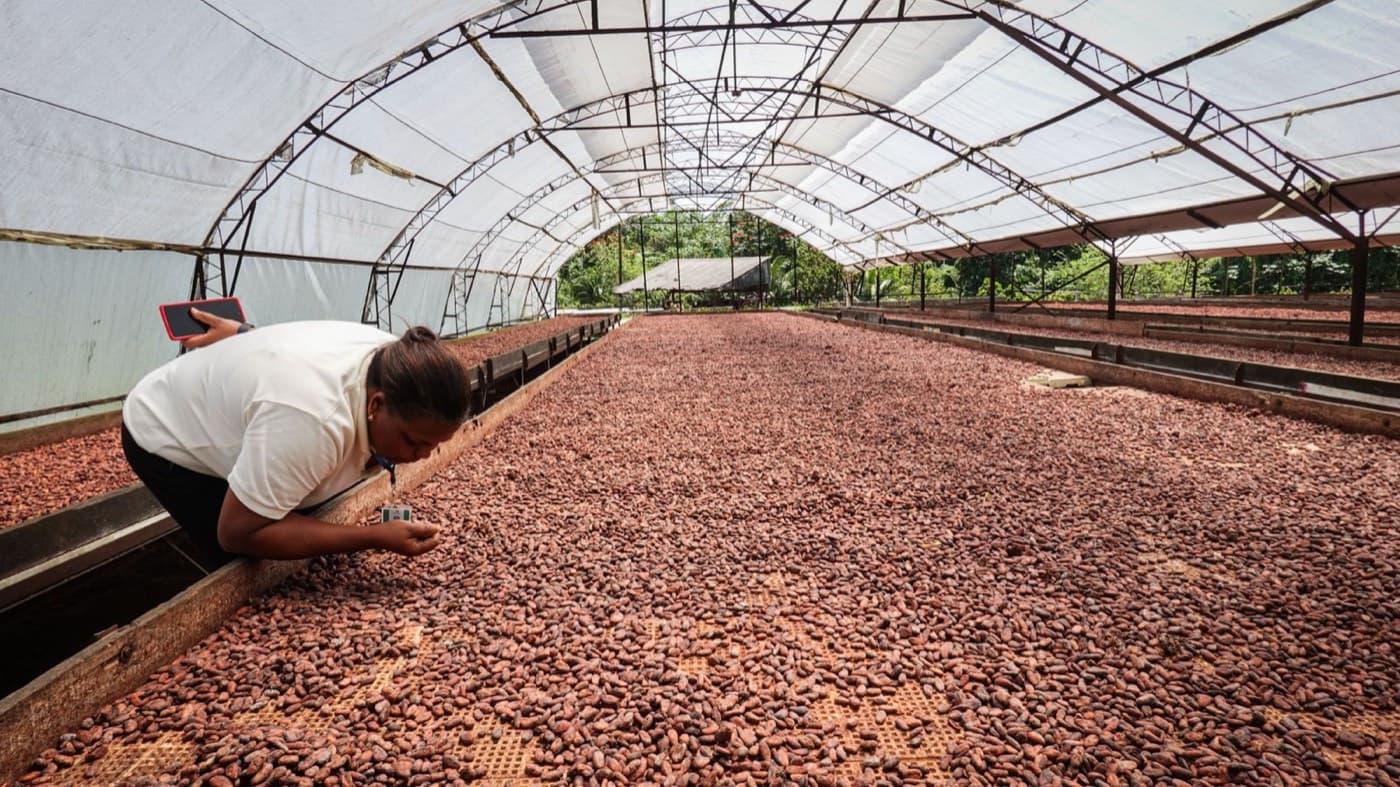
Long raised beds of cocoa beans drying under a covered roof

Process

Hand-picked at every step

From plantation to storage, in six stages. We pick at full maturity, cure slowly and test every lot, and at each stage we tell you what we measure, so you know what stands behind a lot before it reaches your incoming inspection.

6 stagesplantation to storage

15 to 20 °Ccontrolled humidity at every stage

Every lottested before export

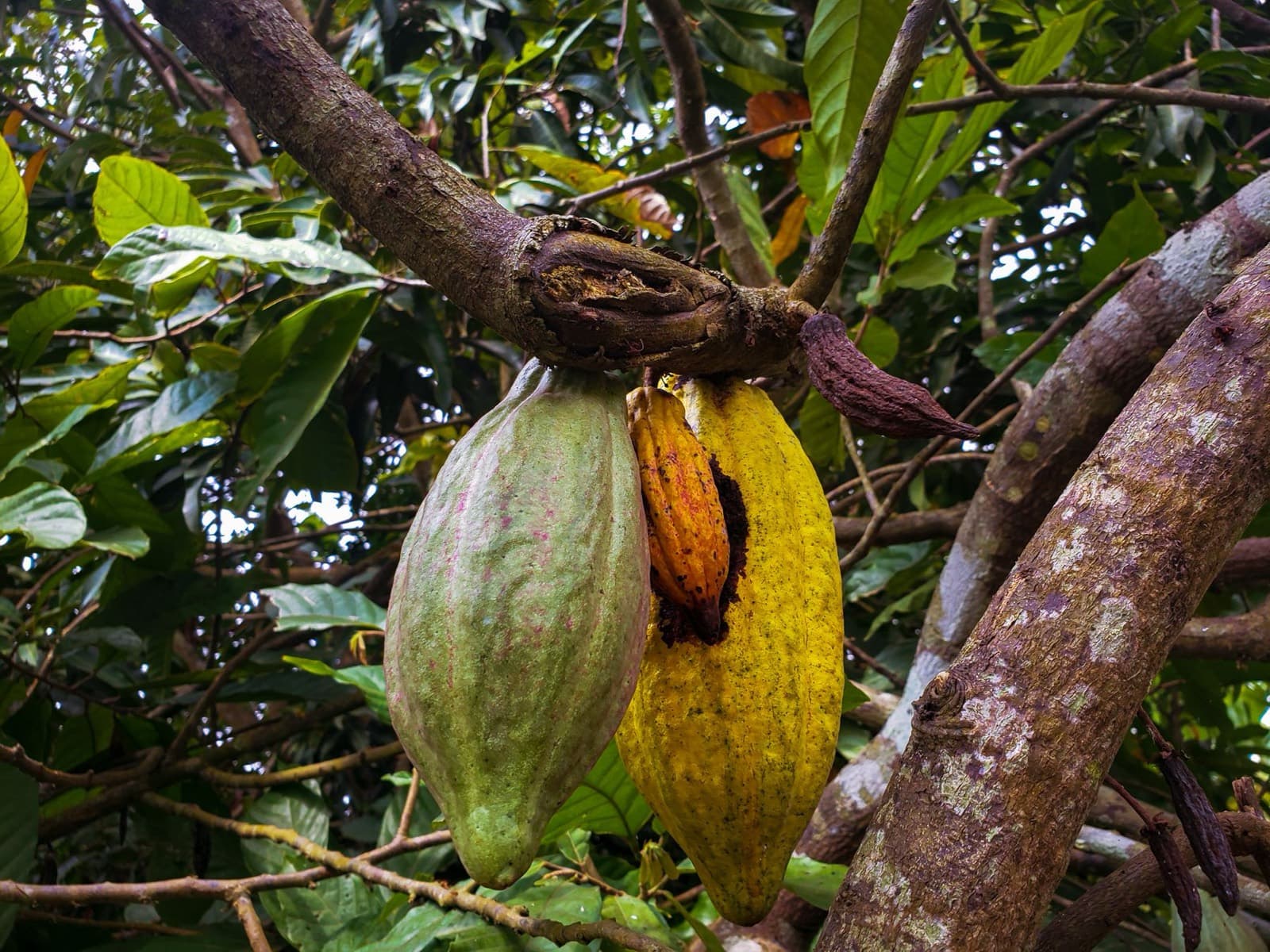
Green and yellow cocoa pods ripening on the trunk of a cocoa tree
Cocoa pods ripening on the trunk
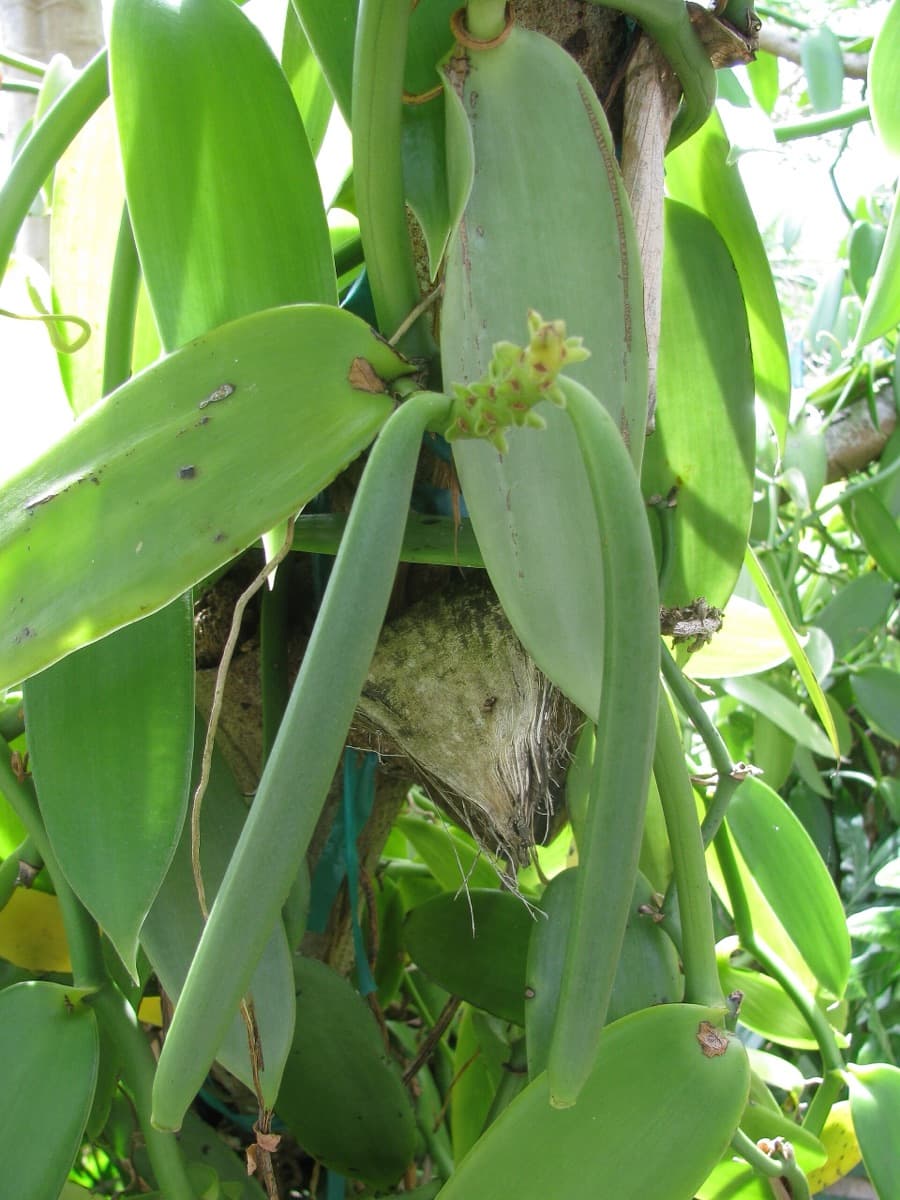
Green vanilla pods hanging from the vine among broad leaves
Vanilla pods on the vine. Photo: Forest and Kim Starr, CC BY 3.0

Stage 1: Plantation

Our vanilla vines and cocoa trees grow on our plantation and with partner farmer groups at an origin that harvests and cures all year, unlike the single-harvest origins most buyers depend on. Supply never waits on a single season.

Every lot is traceable to the farmer group that grew it, the traceability large buyers now write into their sourcing policy.

What we check

  • Farmer-group registration
  • Agronomic practice
  • Pesticide use records
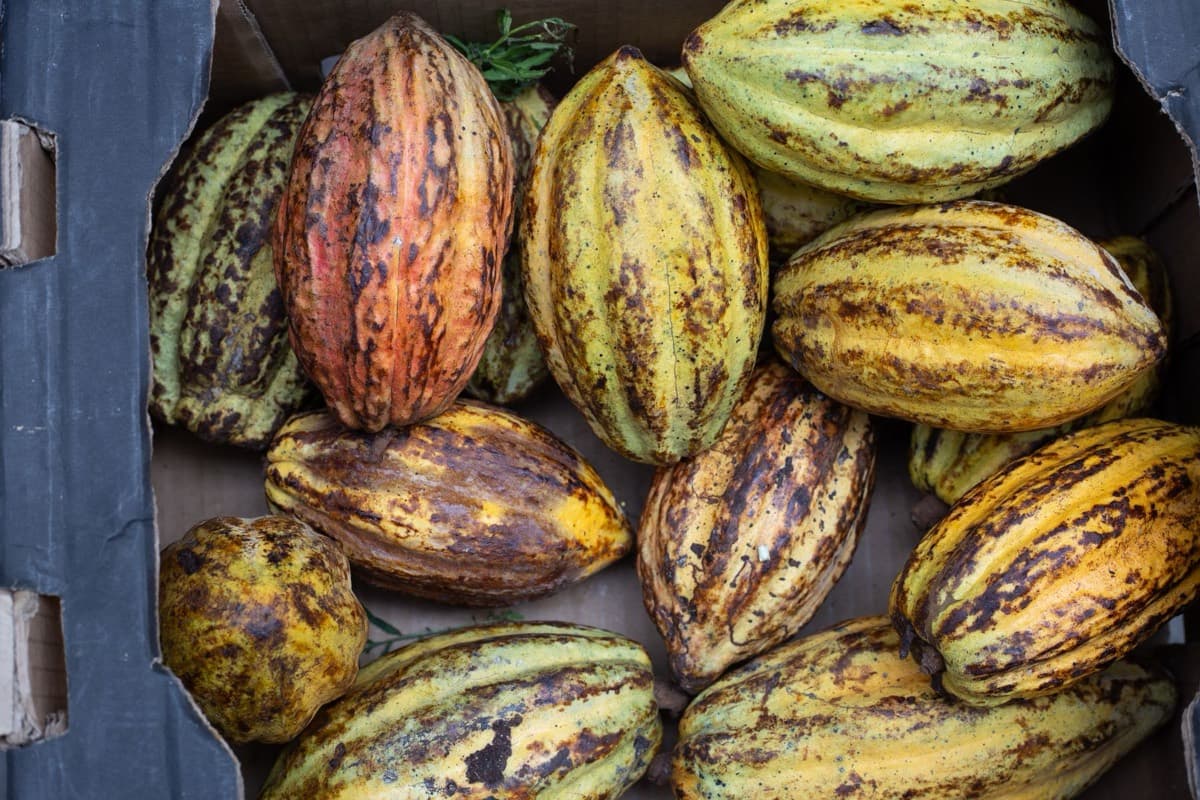
Harvested cocoa pods, yellow and purple, packed in a crate
Harvested cocoa pods in a crate
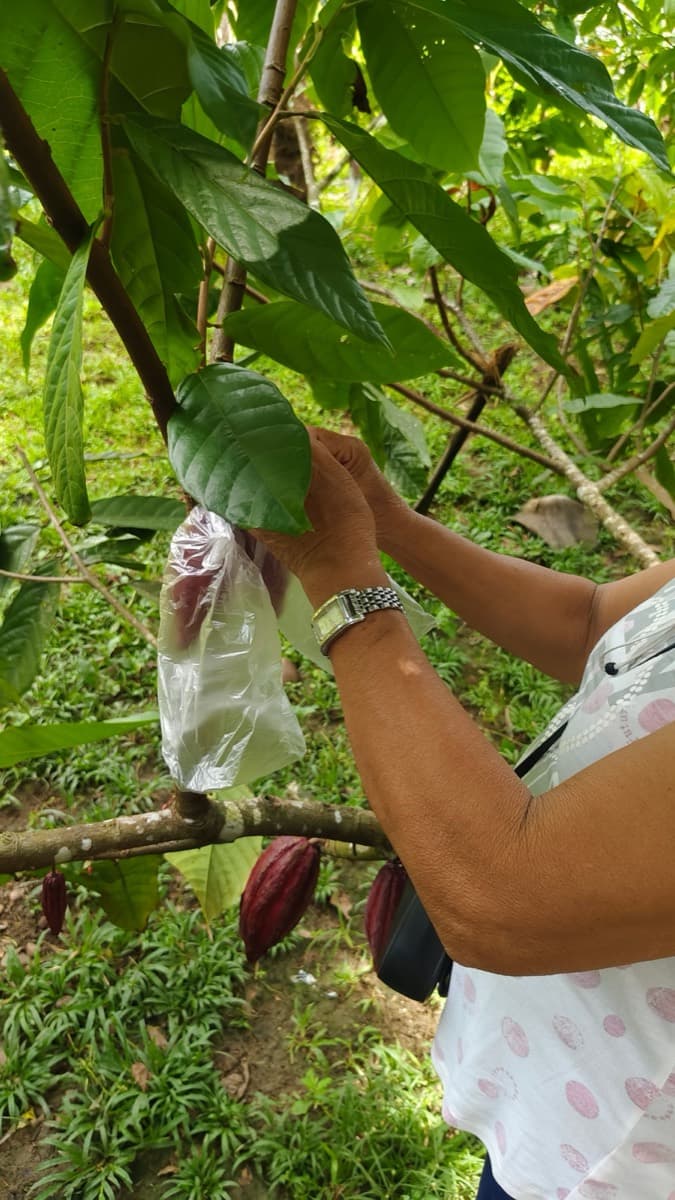
A farmer reaching up to cut a ripe cocoa pod from the tree
Cutting a ripe cocoa pod by hand

Stage 2: Harvest

We hand-pick vanilla beans only at full maturity. Immature, early-picked beans are the best-known quality problem in vanilla from our origin and a main reason buyers moved away from it, so we never pick or buy them.

Cocoa pods are cut by hand when ripe, then opened for fermentation.

What we check

  • Maturity at picking
  • Bean length at harvest
  • Pod ripeness
A worker checking cocoa beans spread on long raised beds inside a covered drying house
Cocoa drying house, covered sun drying
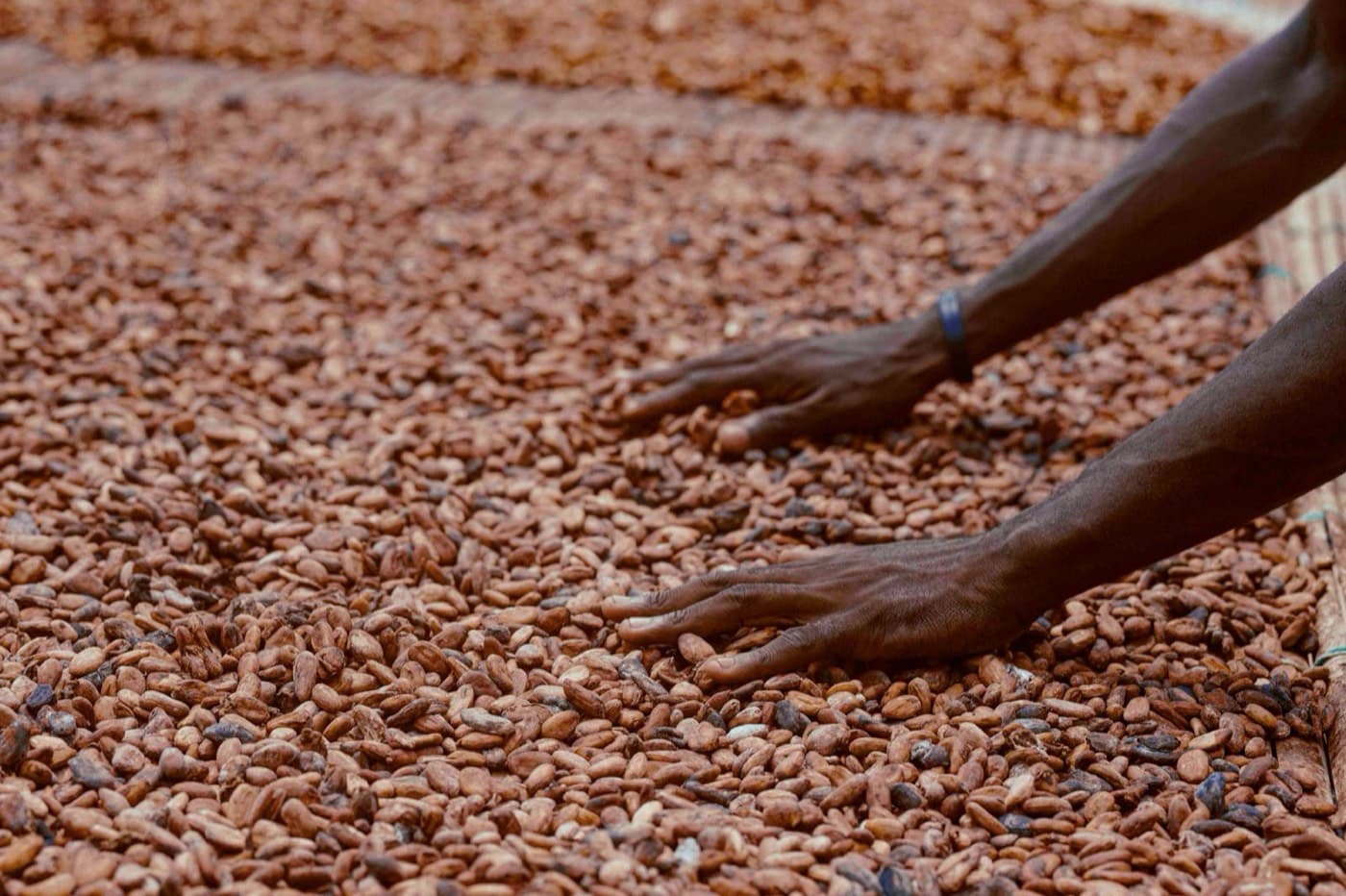
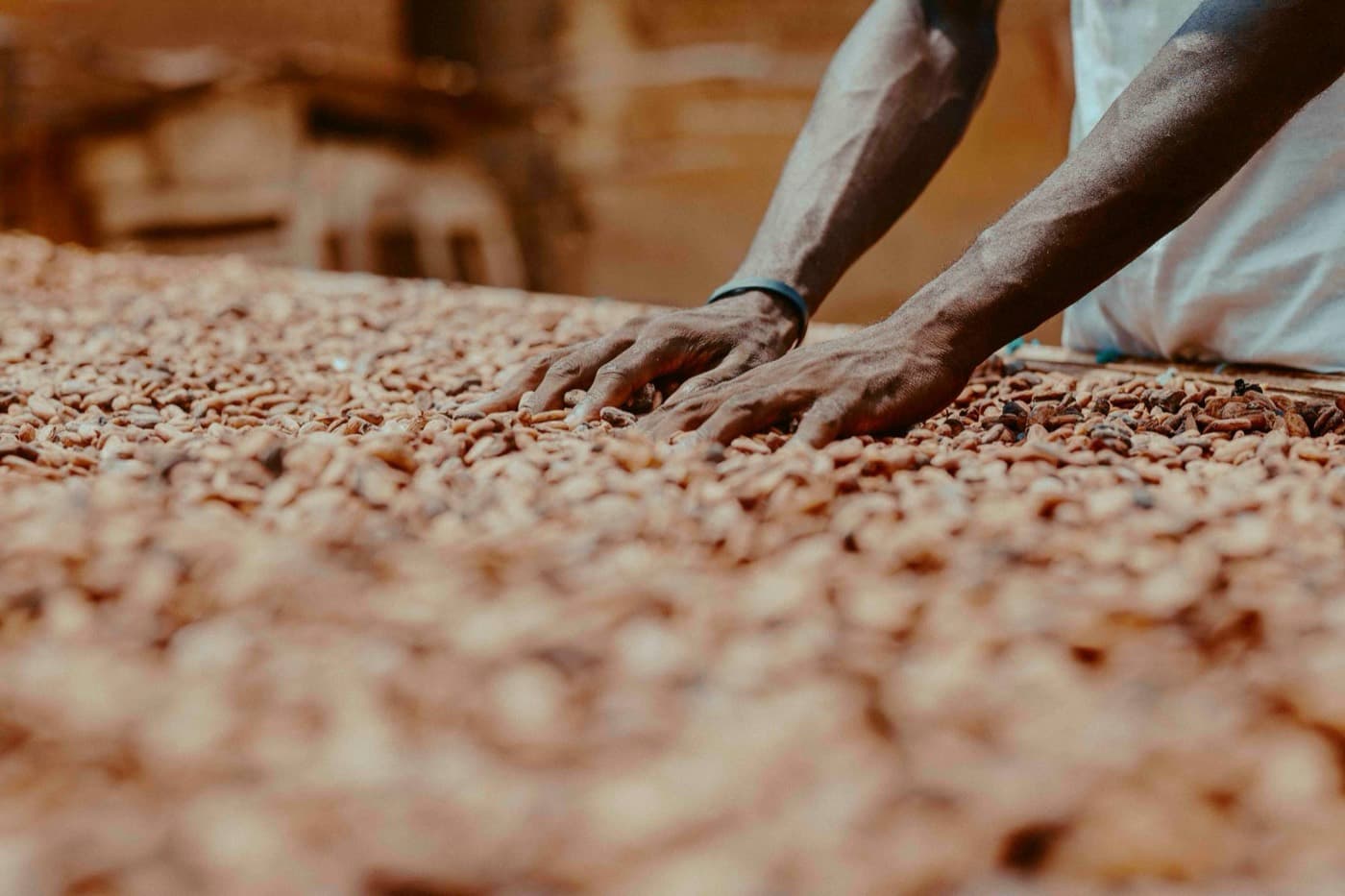
Hands turning cocoa beans spread out to dry
Turning cocoa beans as they dry
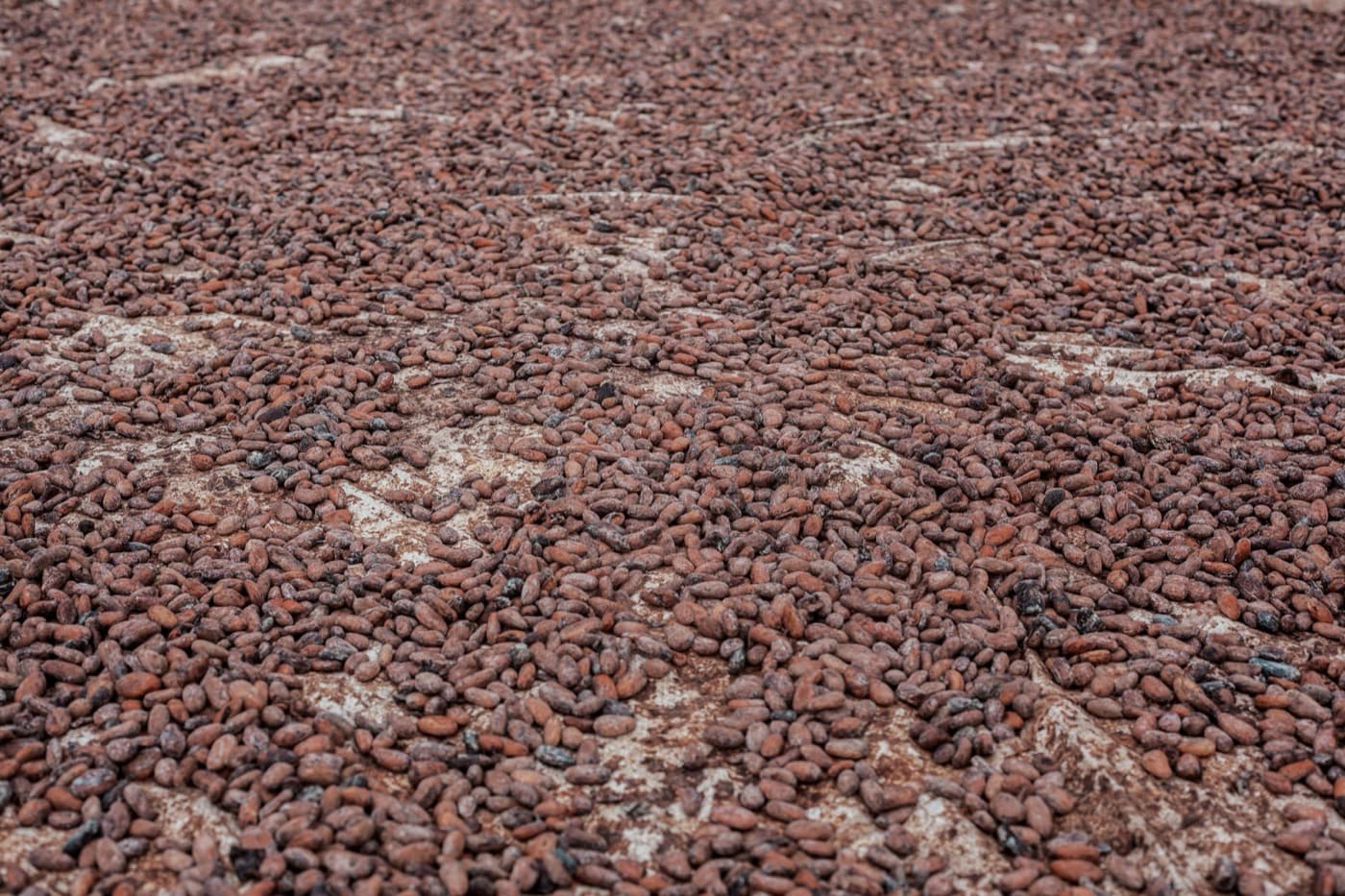
A wide bed of cocoa beans drying in the sun
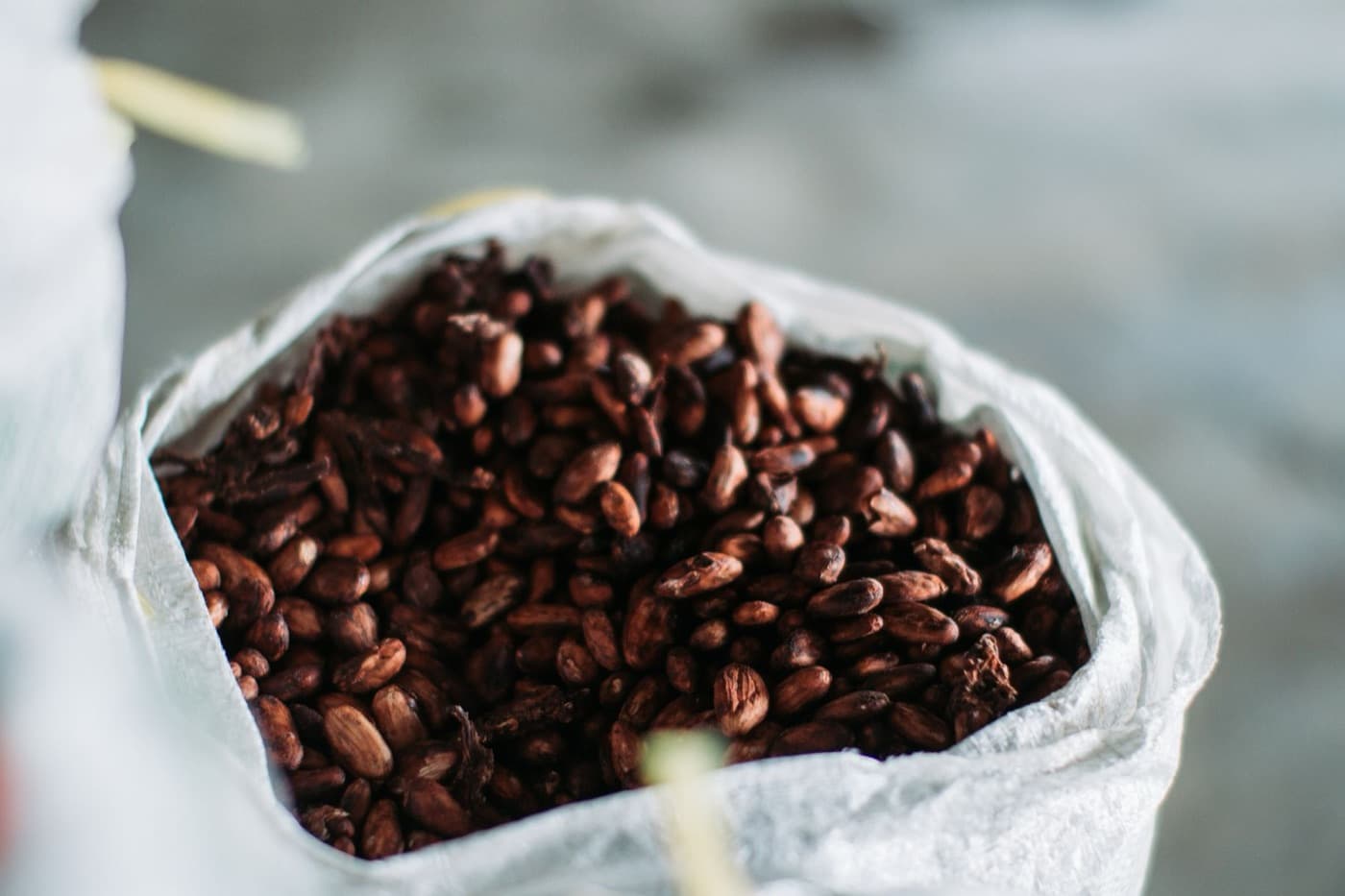
Cocoa beans spread to dry

Stage 3: Drying and curing

We cure vanilla slowly, over weeks, to its target moisture: 25 to 33 percent for gourmet grades, 18 to 25 percent for extraction grade. Uneven curing and high moisture are where mould starts, so we measure curing rather than judge it by eye.

Cocoa is fermented, then sun-dried in covered drying houses that keep rain off the beans.

What we check

  • Moisture
  • Water activity
  • Mould
  • Even curing

Stage 4: Quality control and grading

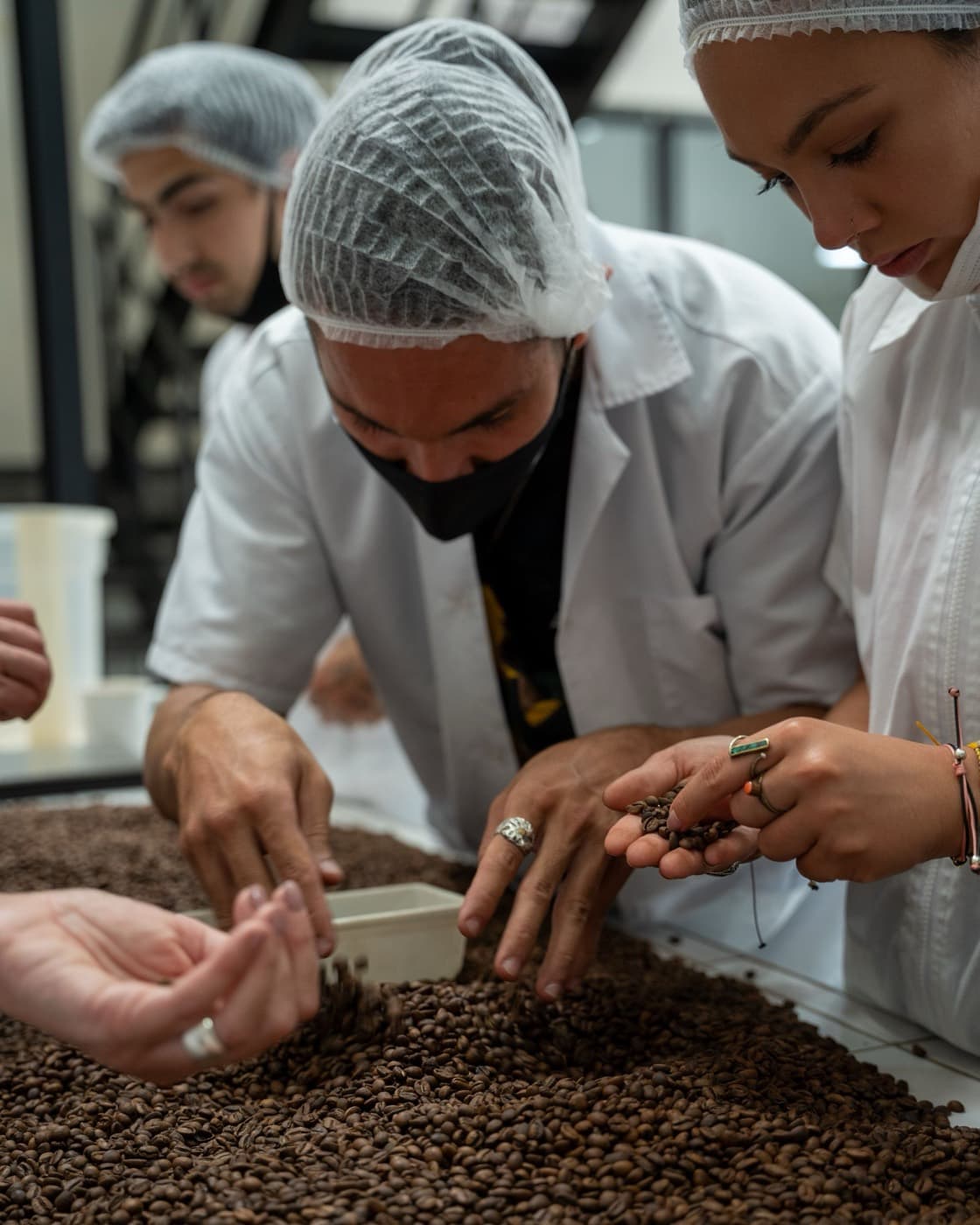
We grade beans by hand, by length and appearance, to our published standard. Then we sample each lot and send it to an accredited laboratory, for example Saraswanti, SIG, SGS or Eurofins, for a certificate of analysis.

Hands sorting cocoa beans spread across a table
Grading cocoa beans by hand
Two people in hairnets and lab coats inspecting a sample of beans
Inspecting a bean sample

A lot that fails is sold as extraction grade or rejected to the supplier. It never ships as Grade A. Our full-time QC manager at origin oversees grading and testing.

What we check

  • Vanillin by HPLC
  • Moisture
  • Water activity
  • Mould and yeast
  • Aflatoxin
  • Heavy metals
  • Pesticide multi-residue

Passes: ships as graded, with its certificate of analysis.

Fails: sold as extraction grade or rejected, never shipped as Grade A.

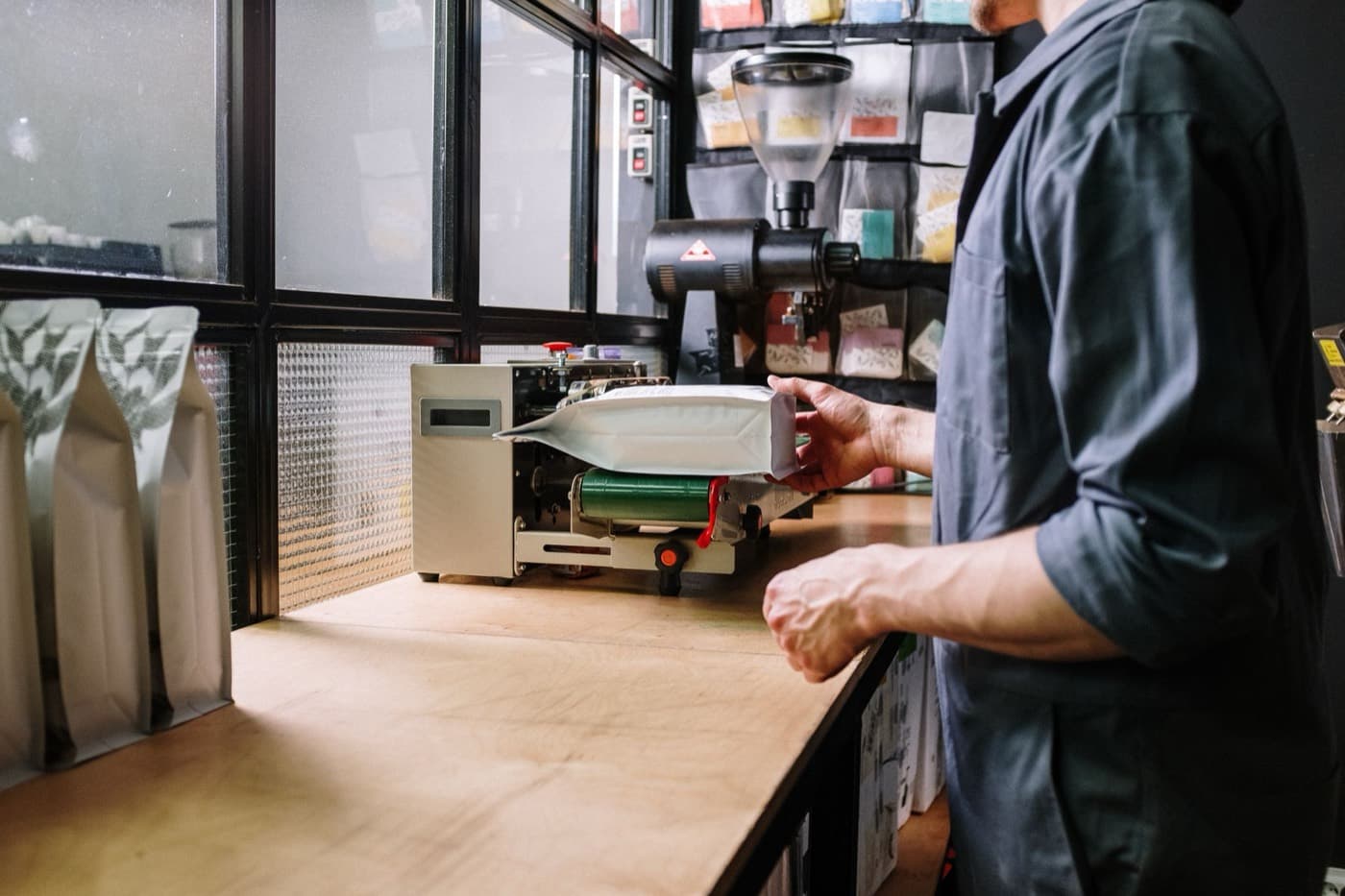
A worker at a packing bench with a scale and stacked pouches
Weighing and packing at a bench
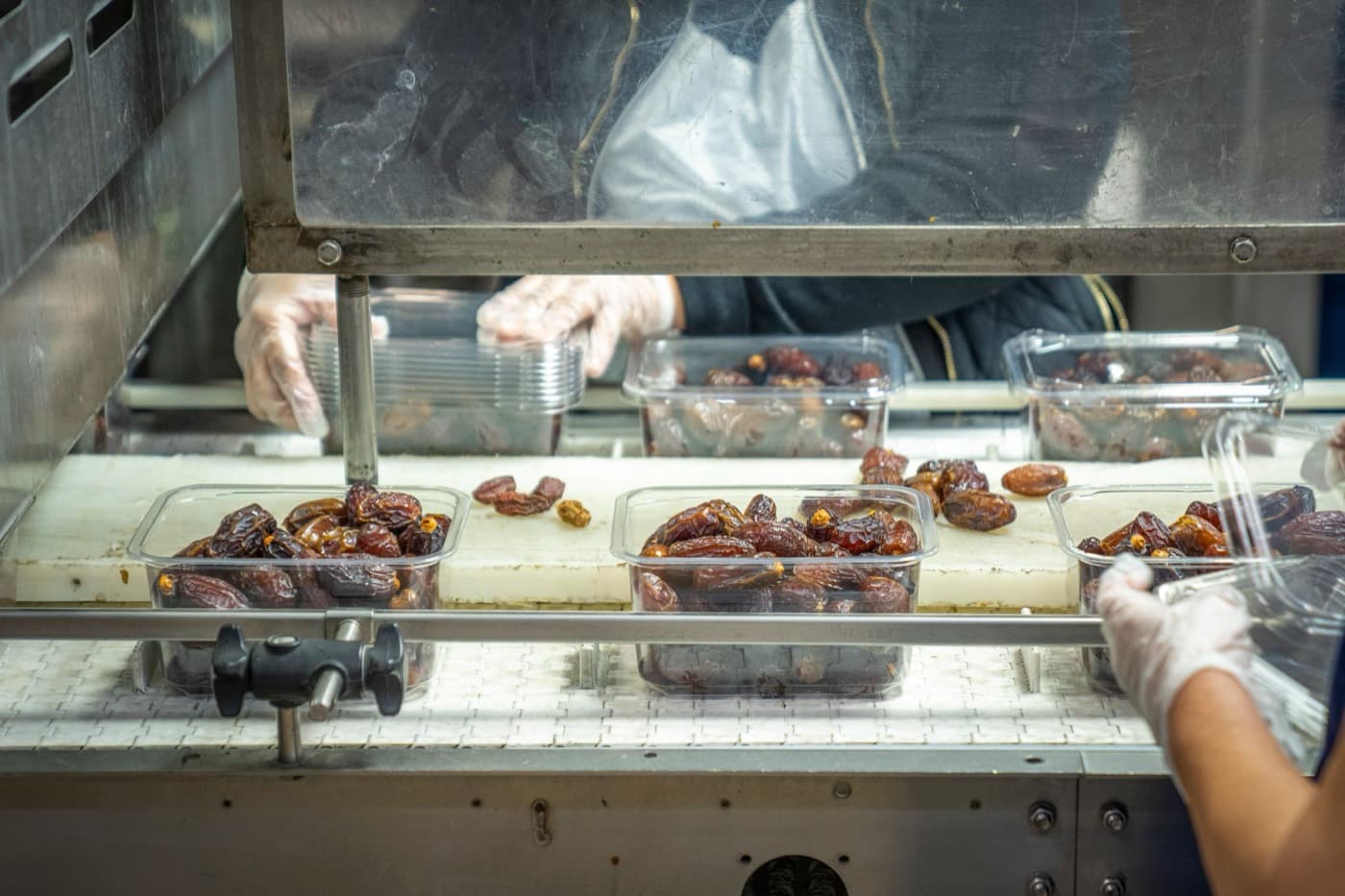
Gloved hands placing beans into trays on a packing line
Packing line, beans into trays

Stage 5: Packaging

We re-grade approved lots and vacuum-pack them in 1 kg and 5 kg food-grade pouches inside lined cartons. Every pack carries its origin, harvest window and lot number.

Retail packs: 2, 5 or 10 beans in glass tubes or pouches, and 250 g and 1 kg bags.

What we check

  • Seal integrity
  • Lot label
  • Carton count
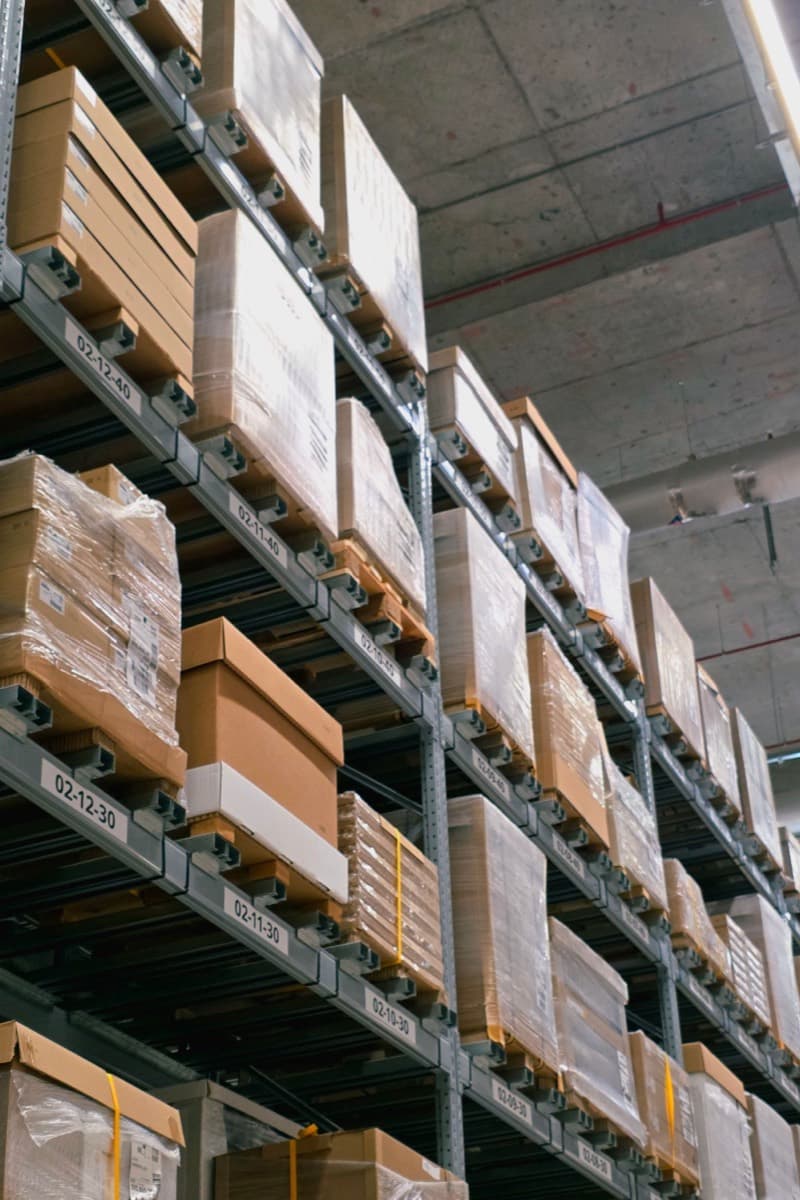
Cardboard cartons stacked on tall storage racking
Cartons stored on racking

Stage 6: Storage

We hold beans at 15 to 20 °C and controlled humidity at every stage, from the curing house until the day they are loaded for export.

Cartons are stored and rotated by lot number, so the oldest lot ships first and every carton still matches its certificate.

What we check

  • Temperature and humidity logs
  • Rotation by lot, first in, first out

Export

From our curing house to your port

We export worldwide, by sea or air. Choose the delivery term that suits your import set-up, and we quote it per lot.

Export documents with every shipment

  1. 01Export packingHow: Vacuum pouches in lined cartonsFor: Every lotRe-graded and packed after the lot passes its CoA; origin, harvest window and lot number on every pack
  2. 02Export documentsHow: Issued per shipmentFor: Every shipmentCoA, phytosanitary certificate, certificate of origin and halal certificate
  3. 03By seaHow: FOB origin port, or CIF / CFR to your portFor: Bulk lotsYour forwarder from our port, or ours to the port you name
  4. 04By airHow: Air freightFor: Small lotsSamples, trial lots and urgent smaller orders